



USS Essex: The Carrier That Redefined Power at Sea
USS Essex: The Carrier That Redefined Power at Sea
When naval warfare entered the age of aviation, the ocean demanded a new kind of ship. Guns alone could no longer control distance, defend fleets, or determine outcomes. From this shift emerged the USS Essex; not simply a warship, but a turning point in how nations projected power across the seas.
The Essex‑class aircraft carriers were conceived during a moment of transformation, shaped by experience, necessity, and the recognition that future conflicts would be decided far beyond the horizon.
Learning from Limits
Before the Essex class, aircraft carriers were designed under strict international agreements that capped size and capability. These limitations forced compromises. While earlier carriers performed admirably, they revealed weaknesses when faced with sustained combat and expanding operational demands.
As global tensions increased and treaty restrictions faded, American naval architects were finally free to design without artificial boundaries. The Essex class was born from that freedom—built not to comply, but to endure.
This shift allowed designers to prioritise balance: strength without excess, speed without fragility, and flexibility without sacrificing protection.
Built for Scale and Survival
Essex‑class carriers were noticeably larger than those that came before them. Their increased dimensions allowed for broader flight decks and more efficient aircraft operations, reducing congestion during launches and recoveries.
Below the surface, their internal layout reflected hard‑earned lessons. Machinery spaces were arranged for resilience, armour placement focused on survivability, and structural strength took precedence over strict weight limits. These ships were designed with the expectation that they would be targeted—and that they would continue operating even after being hit.
Speed mattered just as much as strength. Powerful engines drove the Essex class fast enough to keep pace with escorting fleets and reposition rapidly in combat zones, a critical advantage in the vast expanses of the Pacific.
Floating Airfields
What truly defined the USS Essex and her sister ships was their role as mobile airbases. Their hangars and decks were built to support large, diverse air groups, capable of adapting as aircraft design evolved.
Early in their service, Essex‑class carriers launched piston‑engine fighters and bombers that dominated mid‑war naval aviation. As aircraft grew larger and more complex, the ships’ generous internal space proved invaluable. They had been designed with growth in mind—an uncommon foresight that would extend their relevance far beyond their original mission.
Aircraft handling, storage, and maintenance were all integrated into a system focused on sustained operations rather than short engagements.
Expansion Through Necessity
Initial plans for the Essex class were ambitious, but real‑world events quickly pushed those plans further. As war expanded across multiple oceans, the demand for carriers increased dramatically.
More ships were ordered, more hulls laid down, and production accelerated. Although not every planned carrier reached completion, those that entered service formed the largest and most influential carrier fleet ever assembled.
Their presence allowed naval commanders to maintain constant pressure, rotate forces without losing momentum, and conduct operations on a scale previously impossible.
Names That Carried Meaning
The naming of Essex‑class carriers reflected a deep respect for naval heritage. Some ships carried the names of historic vessels, others commemorated pivotal battles, and several honoured carriers lost earlier in the war.
These names were not chosen lightly. They linked new ships to past sacrifices, reinforcing continuity and morale among crews who understood they were carrying forward more than just steel and machinery.
Adapting to a New Era
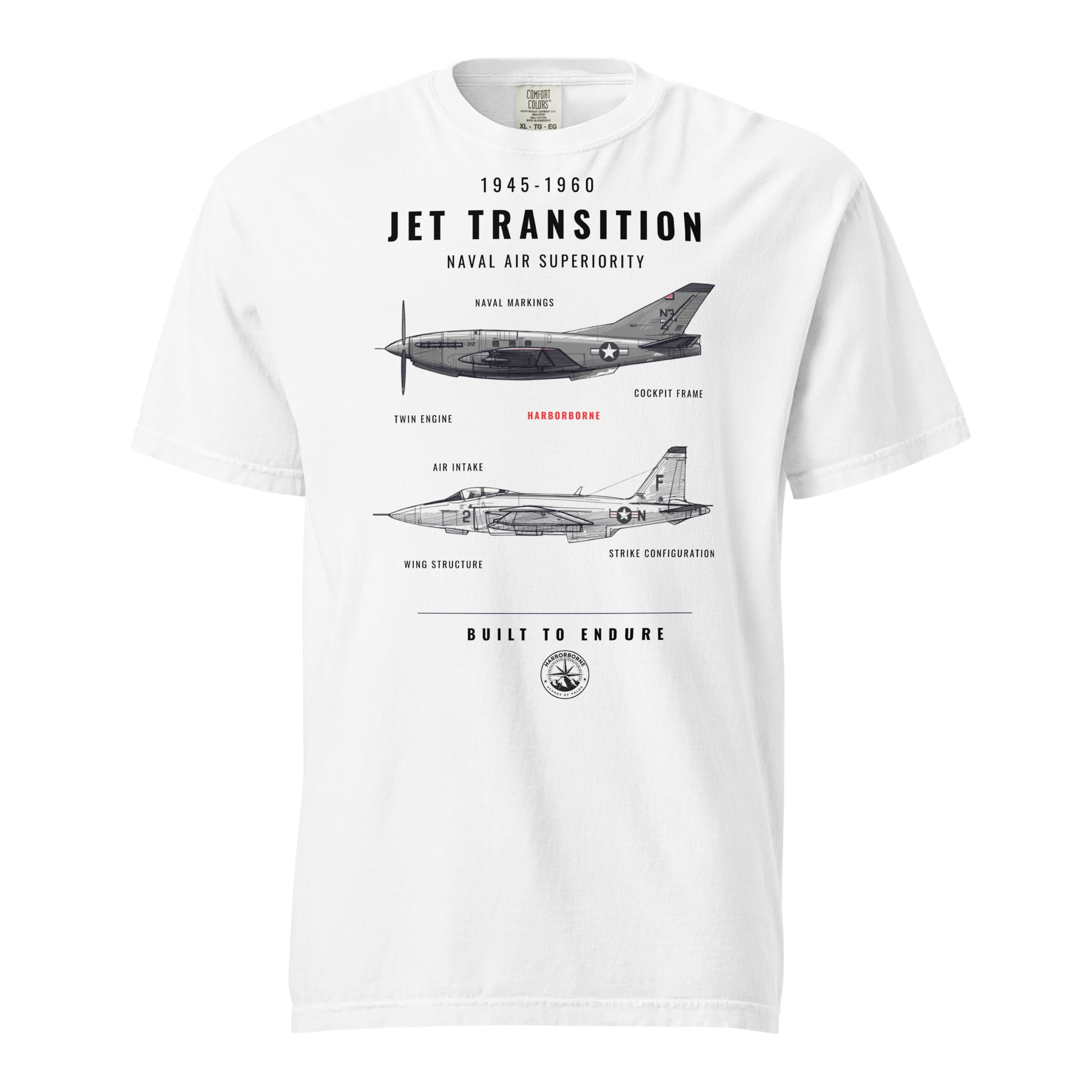
While many wartime designs faded into obsolescence, the Essex class evolved. As jet aircraft replaced propeller‑driven planes, these carriers underwent extensive modifications.
Flight decks were strengthened, landing systems modernised, and new features added to manage the power and heat of jet operations. Some ships received angled decks, fundamentally changing how aircraft launched and landed.
This ability to transform allowed Essex‑class carriers to remain active well into the Cold War, performing roles their original designers could not have fully imagined.
A Legacy Beyond the Hull
The importance of USS Essex is not measured solely by battles fought or aircraft launched. Its true legacy lies in what it proved: that thoughtful design, built around adaptability, can extend relevance across generations.
The Essex class demonstrated that warships need not be disposable tools of a single era. When built with foresight, they become platforms capable of absorbing change rather than resisting it.
Even today, the principles behind their design—flexibility, survivability, and operational efficiency—continue to influence naval thinking.
Why the Essex Story Endures
The story of USS Essex is ultimately a story of transition. It marks the moment when naval power fully embraced the sky and accepted that the future would demand constant evolution.
These carriers were not perfect, but they were prepared. And in war, preparation often matters more than perfection.
That is why the Essex class remains remembered—not only as a weapon of war, but as a benchmark of intelligent design under pressure.
Shopify SEO Meta
Meta Title:
USS Essex Aircraft Carrier | The Design That Shaped Naval Aviation
Meta Description:
Discover how USS Essex and the Essex‑class aircraft carriers transformed naval warfare through design, adaptability, and lasting influence.
